.png)
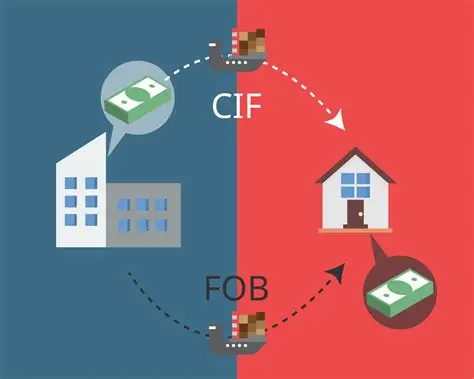
In international trade, important shipping terms appear such as CIF (Cost, Insurance, and Freight) and FOB (Free On Board). These terms define the responsibilities and risks of both the seller and buyer during the transport of goods in international agreements. This article clarifies the differences between them to help you choose the most appropriate option for your needs.
What are CIF and FOB?
CIF
Means the seller bears the responsibility of transporting the goods to the destination port, including costs, freight, and insurance. The seller is responsible for any damage or loss of goods during the journey. Once the goods arrive at the destination port, responsibility transfers to the buyer.
FOB
Means the seller's responsibility ends once the goods are loaded onto the ship at the port of departure. After that, the buyer assumes responsibility for shipping, insurance, and all risks and costs until reaching the final destination.
Comparison of CIF and FOB Responsibilities
ResponsibilityCIFFOBTransport to port of shipmentSellerSellerLoading the shipSellerSellerShipping costsSellerBuyerInsurance costsSellerBuyerRisks during the journeySellerBuyerCustoms duties in exporting countrySellerSellerCustoms duties in importing countryBuyerBuyerUnloading at destination portBuyerBuyerTransport from port to warehouseBuyerBuyer
Key Differences Between CIF and FOB:
Responsibilities:
In CIF, the seller bears most shipping responsibilities, from logistics arrangements to insurance and freight. In FOB, the seller's responsibility is limited to loading the goods on the ship, then responsibility transfers entirely to the buyer.
Costs:
CIF is usually more expensive for the buyer because the seller covers logistics, insurance, and freight. FOB is cheaper but requires more expertise from the buyer to manage the shipping process.
Insurance and Risk Transfer:
In CIF, the seller bears the risks until the goods arrive at the port.
In FOB, risks transfer to the buyer once the ship is loaded.
Customs Procedures:
In both terms:
The seller handles export customs.
The buyer handles import customs.
The essential difference is the timing of risk transfer and cost responsibility.
Which is Better: CIF or FOB?
CIF
Suitable for new importers or small shipments, as it reduces complications and responsibilities on the buyer.
FOB
Suitable for experienced importers who have relationships with shipping companies and prefer to control costs and timing.
Pros and Cons of CIF and FOB
CIF
For the buyer:
✔ Convenient and easy — seller handles logistics and insurance
✘ Higher cost — less control over the shipping process
For the seller:
✔ Ability to raise prices to cover services
✘ Bears greater risks and more responsibilities
FOB
For the buyer:
✔ Greater control over shipping and costs
✘ Greater responsibility, requires logistics expertise
For the seller:
✔ Fewer responsibilities and quicker deal completion
✘ Lower profitability since shipping and insurance costs are not added to the price
Practical Tips:
Request quotes from different shipping companies to compare.
Choose CIF if you're looking for comfort and reduced risk.
Choose FOB if you have experience and want to control costs.
Building strong relationships with suppliers and shipping companies helps obtain better prices and services.